Unlock Effectiveness and Development With AI Automation for B2B Firms
AI automation is changing the landscape for B2B companies. It decreases and enhances procedures reliance on human treatment. This shift allows businesses to make quicker, data-driven choices. As companies explore which processes to automate, they should likewise take into consideration the right tools to implement. Challenges stay in taking on AI technology. The implications of these modifications could shape the future of numerous companies in ways yet to be fully recognized.
Understanding AI Automation in the B2B Context
As organizations significantly seek performance, understanding AI automation in the B2B context ends up being vital. AI automation entails using sophisticated modern technologies to improve procedures, minimize human intervention, and enhance decision-making procedures. In the B2B landscape, this can show up in numerous kinds, such as automating client service interactions, handling supply chain logistics, or optimizing marketing projects. Business can utilize AI to copyrightine massive datasets swiftly, allowing them to identify patterns and understandings that educate tactical options. AI systems can integrate flawlessly with existing technologies, providing a natural system for handling business functions. This understanding lays the groundwork for organizations to discover exactly how AI can transform their operations, enhance performance, and inevitably foster sustainable growth in an open market.
Key Advantages of Applying AI Automation
Recognizing Processes Ideal for Automation
Just how can B2B companies efficiently identify processes ideal for automation? A systematic method begins with drawing up existing operations to determine repetitive and time-consuming jobs. These jobs often consist of information entrance, invoicing, and client follow-ups. Firms need to assess the frequency and quantity of these procedures, as high-frequency jobs present the biggest opportunity for efficiency gains. In addition, copyrightining the potential for mistake reduction and source allocation can highlight areas ripe for automation. Involving employees in conversations can additionally offer insights right into which processes hinder efficiency. Finally, firms need to consider the placement of automation with their strategic objectives, guaranteeing that the identified procedures add to total company goals, inevitably facilitating smoother procedures and enhanced development.

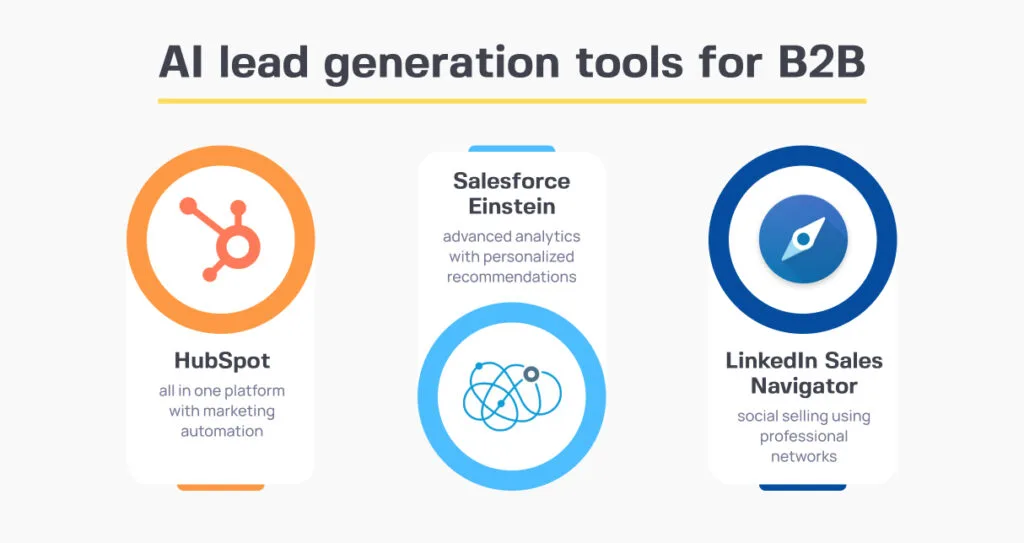
Picking the Right AI Devices for Your Organization
When B2B firms take into consideration automating their procedures, picking the appropriate AI devices comes to be essential for achieving preferred outcomes. Business ought to start by assessing their special needs and purposes, guaranteeing alignment with organization objectives. Evaluating the assimilation, scalability, and adaptability capacities of prospective devices is essential, as these factors figure out lasting effectiveness (B2B Growth Consulting). Organizations should likewise take into consideration user-friendliness and the level of support given by suppliers, as these components can affect effective implementation. Additionally, evaluating client evaluations and instance research studies can give insights into exactly how certain AI solutions execute in real-world situations. By diligently selecting AI devices that fit their functional requirements, B2B business can improve effectiveness and drive development while minimizing prospective disruptions
Conquering Difficulties in AI Adoption
B2B business commonly run into substantial obstacles in adopting AI technologies, specifically problems connected to data top quality and resistance to transform administration. Poor information top quality can impede the effectiveness of AI systems, while employee unwillingness to accept new processes can delay implementation initiatives. Dealing with these obstacles is essential for effective AI combination and maximizing its possible benefits.
Data Quality Issues
Ensuring high data quality is crucial for the effective adoption of AI technologies in business-to-business environments. Inaccurate, incomplete, or outdated data can significantly hinder AI initiatives, bring about wrong understandings and bad decision-making. Companies frequently deal with obstacles such as data silos, inconsistencies across various sources, and an absence of standard data formats. To overcome these problems, companies have to spend in information cleansing, assimilation, and administration processes (Growth Systems For B2B). Implementing durable information administration techniques guarantees that the information fed right into AI systems is trusted and appropriate. Cultivating a culture of data top quality awareness among employees can improve information accuracy over time. By attending to information top quality concerns, B2B business can launch the full possibility of AI automation, driving efficiency and growth
Modification Management Resistance
Getting over change administration resistance is important for the successful implementation of AI initiatives within organizations. Staff members usually show uncertainty in the direction of AI, fearing task variation or modifications to recognized operations. To combat this, management needs to cultivate a society of openness and continual understanding. Offering training and clear communication concerning the benefits of AI can build and minimize problems count on. Engaging workers in the shift process encourages collaboration and reduces resistance. Determining change champions within teams can promote smoother acceptance of AI modern technologies. As companies navigate this improvement, addressing practical and emotional concerns connected to AI adoption comes to be crucial for maximizing the modern technology's possible and guaranteeing a seamless assimilation right into existing procedures.
Determining the Effect of AI Automation
Measuring the effect of AI automation you can check here in B2B firms needs a clear understanding of key performance signs (KPIs) that align with company goals. Reliable data evaluation strategies are necessary for translating the results, while robust ROI evaluation techniques assist figure out the economic benefits of automation initiatives. With each other, these parts offer a substantial framework for copyrightining AI's contributions to business success.
Trick Performance Indicators
Secret performance signs (KPIs) act as necessary tools for B2B firms to evaluate the efficiency of AI automation efforts. By establishing clear metrics, organizations can determine improvements in functional effectiveness, price reduction, and income development directly attributable to automation. Usual KPIs include cycle time decrease, mistake rates, client fulfillment ratings, and worker performance degrees. These signs supply understandings right into just how AI systems are maximizing procedures and boosting general performance. Furthermore, tracking KPIs makes it possible for companies to determine locations for further improvement and to straighten AI automation initiatives with strategic service purposes. Eventually, a distinct framework of KPIs warranties that B2B business can quantitatively review the effect of AI automation on their operations and drive continuous development.
Data Evaluation Techniques
Effective data evaluation strategies play an important duty in evaluating the impact of AI automation within B2B business. By using statistical methods, companies can identify patterns and patterns in operational information, enabling them to analyze the effectiveness obtains accomplished through automation. Strategies such as regression evaluation and time series forecasting provide understandings right into how AI-driven procedures influence performance and decision-making. B2B Growth Consulting. In addition, data visualization tools can efficiently communicate searchings for to stakeholders, promoting informed calculated decisions. Artificial intelligence formulas can further boost evaluation by anticipating future end results based upon historical information, offering workable insights. Eventually, these techniques make it possible for B2B firms to determine success and enhance their AI automation campaigns, guaranteeing positioning with service objectives and enhancing overall efficiency
ROI Analysis Methods
Reviewing the roi (ROI) of AI automation is necessary for B2B companies looking for to understand the monetary ramifications of their technical initiatives. Firms can employ various ROI analysis methods to gauge the efficiency of AI implementations. One efficient technique involves computing cost savings by contrasting operational costs before and after automation. Additionally, measuring performance enhancements with essential efficiency indicators (KPIs) helps evaluate the benefits of AI. Client satisfaction metrics can additionally give understandings right into the effect of automation on solution high quality. To guarantee an extensive evaluation, business need to think about both direct abstract benefits and monetary returns, such as enhanced decision-making abilities and competitive advantage. This diverse assessment allows B2B companies to make enlightened decisions regarding future financial investments in AI innovation.
Future Patterns in AI Automation for B2B Business
What innovations lie in advance for AI automation in B2B firms? Arising trends show a substantial change towards enhanced information analytics capacities, enabling companies to make even more enlightened choices (Growth Systems For B2B). Anticipating analytics will end up being progressively necessary, permitting companies to prepare for market changes and customer requirements. Furthermore, the combination of AI with Internet of Things (IoT) innovation is anticipated to simplify operations by giving real-time insights and automation of processes. Firms will certainly additionally concentrate on enhancing client experiences via personalized advertising driven by AI formulas. Furthermore, developments in natural language handling will promote better communication between organizations and clients. As these trends develop, B2B companies have to adapt to leverage AI automation properly, guaranteeing sustained development and competitive advantage
Often Asked Questions
What Industries Benefit one of the most From AI Automation in B2B?
Production, finance, medical care, and logistics industries benefit one of the most from AI automation in B2B. These sectors take advantage of AI to maximize processes, enhance decision-making, and enhance total functional effectiveness, driving substantial development and development.
How Does AI Automation Impact Worker Roles and Responsibilities?
AI automation improves worker roles and duties by streamlining repetitive tasks, allowing workers to concentrate on calculated initiatives. This shift promotes ability growth, enhances efficiency, and urges cooperation, eventually driving business growth and development.
What Are Typical Mistaken Beliefs About AI Automation in B2B?
Common misconceptions concerning AI automation in B2B include concerns of task loss, beliefs that AI can fully replace human judgment, and underestimating the importance of cooperation between AI systems and staff members for ideal results. - Minarik AI
How Can Organizations Make Sure Data Privacy With AI Automation?
Services can guarantee information personal privacy with AI automation by carrying out durable file encryption procedures, adhering to regulative compliance, carrying out regular audits, and training staff members on data managing practices to reduce threats and shield sensitive info. (Growth Systems For B2B)
What Are the Expenses Related To Carrying Out AI Automation?
The costs connected with executing AI automation include software program purchase, facilities upgrades, training personnel, ongoing upkeep, and prospective downtime throughout assimilation. In addition, firms may incur expenses associated to information security and conformity procedures.
Gauging the influence of AI automation in B2B companies calls for a clear understanding of essential performance signs (KPIs) that line up with organization objectives. Secret performance indicators (KPIs) serve as crucial devices for B2B companies to analyze the efficiency of AI automation efforts. Effective data analysis techniques play an essential function in assessing the impact of AI automation within B2B business. Reviewing the return on financial investment (ROI) of AI automation is necessary for B2B business looking for to understand the financial implications of their technological initiatives. What advancements exist ahead for AI automation in B2B companies?
Comments on “Top trends in Growth Systems For B2B you need to know”